
Wall Clock Trends 2026: Modern, Luxury & Decorative Timepieces for Every Home
, by Plaza Home Decor, 8 min reading time
, by Plaza Home Decor, 8 min reading time
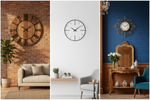
As homes increasingly become curated spaces reflecting personal style and tranquility, the wall clock evolves beyond mere utility into a statement piece that complements modern interiors. The 2026 wall clock trends emphasize a blend of thoughtful design and functional innovation, offering diverse styles and materials tailored for every room. From minimalist silhouettes to industrial luxe and sustainable wooden creations, these timepieces redefine how time is displayed and experienced within contemporary spaces.
The essence of a modern wall clock in 2026 lies in its clean yet purposeful design that harmonizes form and function. Unlike traditional clocks that often emphasize ornate details or purely decorative purposes, modern wall clocks embrace minimalism, geometric precision, and authenticity in materials. Key design principles include streamlined silhouettes with clean lines, a restrained palette favoring matte finishes and natural hues, and the honest use of materials such as metal and wood that reveal texture and grain. This restrained color scheme avoids overly saturated tones in favor of warm neutrals and subtle contrasts.
It's important to distinguish modern wall clocks from contemporary ones: modern designs adhere to mid-century modern inspired simplicity and timeless geometry, while contemporary clocks may integrate current trends, including abstract or eclectic forms. Both styles influence 2026 trends by informing approaches to scale, functionality, and visual impact.
More than just timekeeping devices, modern wall clocks in 2026 serve dual roles—they are practical tools calibrated for precision and silent operation, and essential style statements that elevate the character of a room. They are thoughtfully integrated to enhance décor without overwhelming it, striking a balance between utility and artistry.
Simplicity defines this favored style, popular for bedrooms and serene spaces where calm reigns. Expect clocks featuring light wood frames with smooth, clean lines and subtle, natural colors like soft beige, off-white, or muted grays. These qualities align perfectly with Japandi and Scandinavian interiors that treasure tranquility and uncluttered aesthetics.
Silent sweep movements are indispensable here, ensuring the quiet ambiance of bedrooms or meditation corners remains undisturbed by ticking sounds. These minimalist wall clocks often have seamless faces without numerals or with understated markers, reinforcing their utilitarian elegance and peaceful presence.
Oversized wall clocks—measuring 24 inches and above—are increasingly popular as captivating artful centerpieces, especially in living rooms or entryways. Their imposing size demands careful placement to become the room’s focal point without overwhelming the space.
A key consideration is scale: the clock should anchor the wall while complementing surrounding furniture like sofas or console tables. Avoid overcrowding the wall area; a large wall clock often shines alone or forms a curated gallery piece with minimal additional décor. This approach ensures the clock's presence is commanding yet balanced.
Urban-inspired design continues to influence wall clocks with exposed gears, brushed metal finishes, and mechanical aesthetics reminiscent of loft-style living. Metallic tones such as matte gold, copper, and gunmetal heighten warmth and sophistication, making these clocks ideal for kitchens or textured accent walls like exposed brick.
Strategically placing an industrial-luxe clock against a dark or textured surface deepens visual interest and accentuates the mechanical details. Such clocks often combine durability with refined style, fitting perfectly in homes that balance raw materials with luxury accents.
Increasing environmental awareness inspires clocks crafted from sustainable hardwood, showcasing visible grain and organic contours. Warm neutrals and biophilic design elements integrate these timepieces harmoniously into kitchens and home offices, spaces where natural textures inspire calm productivity.
Geometric wood overlays and lighter wood finishes respond well to modern interiors valuing craftsmanship and authenticity. These clocks embody a connection to nature while maintaining a refined modern aesthetic.
Clocks that eschew solid backings, revealing hands and internal mechanisms, serve as both functional devices and sculptural elements. Their skeletal design works especially well in industrial environments or textured settings, where mechanical details become part of the décor.
Choosing an open frame clock involves ensuring sufficient contrast between background and hands to maintain readability. These pieces blur the line between artistry and utility, making time-telling an engaging experience.
Designers increasingly experiment with unconventional shapes—hexagonal, asymmetric, or multi-layered clocks capture attention as creative visual statements. These clocks thrive in eclectic interiors or gallery walls, complementing artwork and other décor pieces.
Adventurous buyers find appeal in clocks where form sometimes takes precedence over conventional function, embracing playful and artistic expression alongside utility.
The hallmark of modern wall clocks lies in material honesty—showcasing visible wood grains, powder-coated metals, brushed brass, and concrete-inspired finishes. Each material contributes distinct durability, tactile appeal, and mood-setting qualities suited to different rooms.
Wood offers warmth and organic aesthetics, ideal for bedrooms and home offices. Metal provides sleekness and refinement, well suited to kitchens and living rooms. Concrete or stone-like effects add urban solidity and texture, often used in loft or industrial spaces. The 2026 trend favors mixing materials—combining wood, metal, and acrylic elements to express quiet luxury and layered sophistication.
Selecting the ideal clock size balances the wall and room scale to ensure harmony and visibility. Bedrooms favor smaller clocks between 25–40 cm (approximately 10–16 inches) that suit intimate spaces. Living rooms accommodate larger options around 50–70 cm or more, creating bold focal points. Entryways often call for oversized large wall clocks that make an immediate statement.
Hanging clocks at eye level, about 57–60 inches from the floor, provides balanced viewing without neck strain. Large wall clocks serve as statement pieces and should be hung with ample breathing room to avoid visual clutter.
When positioning, place clocks above furniture like sofas, consoles, or kitchen counters to anchor the space effectively. Proper wall anchors and secure mounting are essential, particularly for heavier metal frame designs.
Bedrooms benefit greatly from silent quartz or sweep mechanisms to prevent disruptive ticking sounds and support restful sleep. Minimalist wall clock designs with natural wood or matte finish white surfaces visually recede, complementing calming decor schemes.
Smaller clocks sized to fit intimate bedroom walls paired with soothing color palettes contribute to tranquil atmospheres conducive to rest and relaxation.
The living room thrives when anchored by larger statement wall clocks in matte black or mixed-material finishes that spark conversations. Providing enough space around the clock lets it stand out without competing with other décor.
Combining clocks with neutral walls or warm neutrals balances energy and warmth, ensuring the piece enhances rather than overwhelms the room’s vibe.
Kitchens require decorative wall clocks with clear, large numerals for quick readability. Materials that withstand steam, grease, and humidity—such as metal or sealed wood—are highly practical. A matte black clock against light cabinetry provides optimal contrast and instant time clarity.
In home offices, industrial, geometric, or skeleton clocks embody intentionality and productivity, elevating the workspace atmosphere. These styles combine aesthetics with functionality, aiding focus and timely task management.
Far from being out of style, modern wall clocks are experiencing a resurgence as intentional design statements that merge practicality with curated aesthetics. The move toward analog clocks aligns with digital detox trends and mindful living, where appreciating time through beautifully designed physical clocks adds value to everyday environments.
Minimalist Scandinavian designs, large statement pieces, industrial-luxe clocks featuring metal frames and exposed gears, and sustainable wood models top the list in popularity. Desired features include silent sweep movements for quiet operation and matte finishes that avoid glare and add subtle sophistication.
Proper maintenance preserves both function and appearance. Use dry microfiber cloths to gently clean wood and metal surfaces, avoiding harsh chemicals that may damage finishes. Handle delicate open-gear mechanisms with care to prevent dust buildup and mechanical wear.
Mounting heavy clocks securely with sturdy wall anchors protects both the clock and home walls. Regular battery changes, ideally annually, prevent leakage and ensure consistent operation, especially in silent movement clocks sensitive to power dips.
Modern wall clocks in 2026 are more than timekeepers—they are carefully crafted blends of art, material authenticity, and functional design that set the tone for every room. Investing in quality pieces that harmonize with your space’s style, size requirements, and acoustic preferences transforms walls into curated focal points.
Choosing the right modern wall clock allows for a seamless integration of precision and personality, ultimately elevating your home’s atmosphere and sophistication.


Subscribe to our emails