
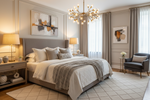
Ambient Lighting Bedroom Ideas for a Cozy Makeover
, by Plaza Home Decor, 10 min reading time
, by Plaza Home Decor, 10 min reading time
A bedroom rarely feels finished because of one decorative purchase; it settles into place when light, layout, and storage work together. The most comfortable room usually has a soft glow, clear walking paths, and a few details that feel personal without becoming busy. These bedroom ideas focus on that balance, with ambient lighting as the foundation and practical updates for small rooms, modern makeovers, and cozier spaces. Along the way, the advice stays grounded in real decisions: what to keep, what to simplify, and where small changes create the biggest shift.
The best bedroom mood starts before any accent pillow or art print enters the room. A calm sleep space needs lighting that supports winding down at night, getting dressed in the morning, and moving through the room without glare. That is where ambient lighting matters most. Instead of depending on a single overhead fixture, think in layers: a soft base glow, focused reading light, and a few gentle accents. This approach works especially well in small bedrooms, cozy retreats, and contemporary spaces that need warmth without visual clutter.
Bedroom trends in 2026 lean calmer, more personal, and less polished in a stiff way. Clean lines still matter, but they are being softened with natural materials, warmer finishes, and tactile layers that make a room feel lived in. The move is away from stark minimalism and toward rooms that feel edited rather than empty. Subtle contrast, built-in storage, and soft textures are doing a lot of the heavy lifting. Lighting is part of that shift too: ambient lighting, wall sconces, and dimmable table lamps help a room feel restful instead of flat.
A bedroom looks more refined when the palette stays restrained and the details do the talking. Neutral walls or muted color choices create a cleaner backdrop, then texture, framed art, and layered lighting add character. Clutter control is just as important as decor selection; a room with coordinated finishes always feels more intentional. One strong focal point, such as the bed or a headboard, keeps the space grounded, while smaller objects around it should stay quiet. That formula lets even simple updates feel considered rather than improvised.
Good layout starts with movement, access, and sightlines, not with squeezing in every piece of furniture the room can hold. Bed placement sets the tone for bedside clearance, natural light, and the path from the door to the closet. In a narrow room, centering the bed on the longest wall can preserve flow, while in larger rooms, orienting it toward the best view often works well. Bulky dressers may be worth replacing with wall-mounted pieces or multifunctional storage if the room feels crowded. For couples, equal bedside access usually matters more than symmetry for its own sake.
Ambient lighting is the soft overall glow that lets a bedroom feel calm instead of clinical. It is the base layer that supports everything else, from reading to dressing to simply relaxing at the end of the day. Warm bulbs, dimmers, and diffused fixtures help the room feel easier on the eyes, especially in the evening. A drum-shade lamp, shaded ceiling fixture, or indirect wall light can all serve this purpose well. The common mistake is letting one bright ceiling light do all the work, which usually flattens the room and makes every other detail look harsher.
The most comfortable bedrooms combine ceiling light, bedside light, and a touch of accent lighting rather than relying on one source. Layering reduces harsh shadows and gives the room more depth, which matters even in small spaces. A pair of table lamps, a pendant, or wall sconces can work together without making the room feel crowded if the finishes stay coordinated. For a more tailored look, keep one layer brighter for function and let the others stay softer. That balance creates a room that feels usable during the day and restful at night.
| Lighting option | Best use | Space impact |
|---|---|---|
| Ceiling fixture | General brightness | Low if kept simple |
| Table lamps | Reading and bedside warmth | Uses surface space |
| Wall sconces | Freeing up nightstands | Very space-efficient |
| Pendant lights | Decorative ambient glow | Good for clean lines |
Wall sconces are one of the smartest choices for compact bedrooms because they replace bulky lamps while keeping the bedside area functional. Mounted lighting leaves room for a book, water glass, or simply a cleaner visual line. Placement matters: the light should land comfortably for reading without shining directly into the eyes. Swing-arm models work best when flexibility is needed, while fixed sconces tend to suit quieter, more symmetrical layouts. For bedrooms with a modern look, sconces also reinforce clean lines and make the room feel more intentional.
Window treatments shape the bedroom atmosphere as much as paint color does. Curtains, shades, and layered treatments soften daylight, protect privacy, and help the room transition from bright morning energy to evening calm. Fabric choice changes the mood immediately: linen reads relaxed, heavier drapery feels more cocooning, and sheer layers keep things light. In small bedrooms, streamlined treatments reduce visual bulk and keep windows from overpowering the room. The right setup should work with the room’s natural light instead of fighting it.
Small bedrooms usually feel better when the floor stays as open as possible. Lighter surfaces, floating pieces, and fewer items at ground level create a sense of air, while ambient lighting softens edges that might otherwise feel cramped. Slim furnishings and wall-mounted solutions are often a better fit than oversized casegoods. Reflective surfaces can help bounce light, but they work best in moderation so the room does not start to feel shiny or busy. The goal is not to make the room look bigger at all costs; it is to make it feel easier to move through and rest in.
Built-in wardrobes and integrated cabinetry can transform a bedroom by hiding the visual noise that makes a room feel crowded. When storage disappears into the architecture, the rest of the room reads more clearly, and the lighting has fewer interruptions. Under-bed storage and hidden compartments also help, especially if the room needs to handle clothing, linens, or seasonal items. Tailored storage supports a cleaner layout and lets ambient lighting spread more evenly. In practical terms, fewer exposed surfaces usually means less dusting, less clutter, and a calmer view at the end of the day.
Floating shelves offer display space without taking up the floor area that a small bedroom cannot spare. Used sparingly, they can hold a lamp, a few books, or one decorative object without turning into visual clutter. Wall-mounted nightstands, hooks, and slim consoles help maintain the edited look many readers want from modern bedroom ideas. The trick is restraint: too many mounted pieces can still feel busy. For bedside storage alternatives, a single shelf plus a sconce often does more for the room than a heavier furniture setup.
Ambient lighting becomes noticeably warmer when it is paired with soft textures. Bedding with a gentle handfeel, a rug underfoot, and layered fabrics all absorb and diffuse light in a way that makes the room feel welcoming. Texture matters even in a neutral room; it keeps the design from looking flat or overly staged. Mixing matte, woven, and plush finishes creates depth without needing bold color. The best cozy bedrooms usually feel comfortable before they feel decorative, and that comes from the sensory mix as much as from the color palette.
In most bedrooms, the bed should anchor the room visually. It is the largest piece and usually the first thing the eye reads, so giving it a clear focal point helps the rest of the design fall into place. A strong headboard, layered bedding, or lighting placed symmetrically on both sides can reinforce that center. Artwork above the bed can do the same, as long as the surrounding decor stays quieter. Symmetry feels polished and formal; a more asymmetrical approach can feel relaxed and contemporary. Either way, the bed should look deliberate rather than floating in the room without context.
Clean lines keep a bedroom feeling current and easy to live in. Simple frames, streamlined nightstands, and unfussy silhouettes create visual order, especially when paired with subtle lighting and limited surface clutter. A modern bedroom does not need to feel cold, though. Warm wood tones, soft bedding, and rounded accents can offset the sharper edges just enough to keep the room inviting. The strongest modern rooms usually avoid over-decorating and let the composition speak for itself.
Wall decor adds personality, but it works best when it does not compete with the room’s main features. Mirrors are especially useful because they reflect ambient light and can make the bedroom feel brighter without adding more fixtures. If a gallery wall fits the style, keep the frames coordinated and the spacing consistent so the arrangement feels balanced rather than busy. One or two larger pieces can be just as effective as a dense display. The right art should finish the room, not take over the whole visual field.
Natural light and ambient lighting should support each other rather than compete. Sheer layers or adjustable treatments allow daylight to stay in the room while keeping privacy intact, which matters in bedrooms facing the street or close neighbors. The best fabric choice depends on orientation: a room with strong morning sun may need more filtering, while a softer north-facing space can often handle lighter treatments. Once daylight fades, layered lighting takes over and keeps the room comfortable into the evening.
The most memorable bedrooms usually include a few meaningful objects, not a surface full of decor. A framed photo, a travel find, or a favorite lamp can give the room character without making it feel crowded. Small seasonal swaps in lamps, textiles, or art are often enough to refresh the space when the mood changes. Restraint makes those personal details feel more elevated, because each item has room to breathe. Good ambience comes from consistency, not excess, and a bedroom that stays edited tends to age more gracefully.
Before buying anything new, scan the room for four things: layered lighting, storage that hides clutter, soft textures, and a layout that moves well. If one of those is missing, fix it first. A better lamp, a simpler window treatment, or one wall-mounted storage piece can change the feel of the whole room faster than a full makeover. For the quickest win, start with ambient lighting and remove whatever makes the room feel crowded.


Subscribe to our emails