
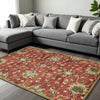
Choosing the Right Rug: Expert Guide to Size, Style & Placement in 2026
, by Plaza Home Decor, 9 min reading time
, by Plaza Home Decor, 9 min reading time
Choosing the right rug can transform your home, creating warmth, style, and functionality all in one. Whether you’re decorating a cozy bedroom, a lively living room, or an outdoor patio, the perfect rug anchors your design, defines spaces, and adds texture to your floors. This expert guide helps you navigate selections by size, material, pattern, and placement, ensuring you find a rug that fits your lifestyle and elevates your décor with confidence.
A well-chosen rug does far more than cover your floors; it anchors a room by bringing furniture elements and color palettes together, creating cohesion and flow. Rugs introduce softness underfoot, absorb sound to soften acoustics, and even help define distinct zones in open concept spaces. Emotionally, they add warmth and personality, making your home feel inviting and thoughtfully styled. For example, a bold colorful rug can energize your living area, while a soft, neutral bedroom rug invites relaxation. Rugs are foundational design pieces, not mere accessories—they ground furniture groupings, add sensory richness through texture, and serve as a visual focal point that brings character to your room.
Selecting the right rug size is crucial to maintaining scale and proportion in your space. Too small, and the rug can seem lost or disconnected; too large, and it can overwhelm the room. A general rule of thumb is to leave between 6 to 18 inches of exposed floor around the rug’s edges to frame the room elegantly. Before purchasing, measure your room carefully, then use painter’s tape to outline the rug size on the floor, helping you visualize placement and fit.
Living rooms benefit from rugs that anchor the front legs of sofas and chairs, creating a cohesive seating area. In dining rooms, choose rugs large enough to extend beyond the chairs when they are pulled out, allowing comfort and protecting floors from spills. Bedroom rugs should stretch beyond the sides and foot of the bed, providing softness when stepping out of bed. Entryways and hallways typically use runners fitted to length, guiding traffic flow smoothly. Outdoor rugs should complement patio furniture sizes without overwhelming the space, offering a balanced grounding element.
Rug material impacts durability, comfort, maintenance, and style. Natural fibers like wool, cotton, jute, and sisal offer unique textures: wool is durable, soft, and naturally filters allergens, making it ideal for high-traffic areas and family-friendly rooms. Cotton rugs are lightweight and easy to clean but less durable. Jute and sisal bring an earthy, natural vibe but can be rough underfoot and less stain-resistant.
Synthetic rugs—such as polypropylene and polyester—excel in moisture resistance, durability, and ease of maintenance, making them excellent choices for kitchens, entryways, and outdoor areas. Many synthetics also resist fading and mildew, perfect for high-traffic spaces and homes with pets. Eco-friendly options are rising in popularity, and allergy sufferers should favor natural fibers like wool for their hypoallergenic benefits. Your budget will influence material choice, but prioritizing durability and suitability for your room's function ensures the best value.
Understanding rug construction aids in selecting the right style and durability. Flat-weave rugs are lightweight and reversible, perfect for casual or layered looks but less plush. Tufted rugs have a soft, textured pile created by inserting yarn loops; they balance comfort and cost well. Knotted rugs—like traditional hand-knotted wool rugs—offer exquisite quality and longevity but come with a higher price tag. Hooked rugs feature looped designs and provide rustic, tactile appeal. Power-loomed rugs are machine-made, usually affordable, and durable, ideal for high-traffic or budget-conscious buyers. Each construction type varies in cleaning ease and tactile feel, so choose based on room traffic and style preferences.
Rug color profoundly influences the mood and perception of space. Light-colored rugs can make rooms feel airy and spacious, while rich dark colors add coziness and hide stains better. Patterned rugs, such as bold or geometric designs, add interest and can energize a room, especially in high-traffic areas where patterns mask dirt and wear. Solid rugs bring calm and versatility, serving as a grounding element beneath vibrant furniture.
Consider using complementary colors to unify your décor or contrasting colors to create impactful focal points. Vintage-inspired rugs offer timeless character, and bold patterns add personality that defines your space uniquely. When selecting, think about existing furniture colors and textures to maintain visual balance and style harmony.
Correct rug placement grounds furniture, defines room zones, and promotes a natural visual flow in your home. In living rooms, place rugs so the front legs of sofas and chairs rest securely on the rug, creating a cohesive seating area. Dining room rugs should align symmetrically under the table with ample space extending beyond chairs, maintaining proportional margins for a polished look. Bedroom rugs are best positioned partially under the bed, extending beyond sides and foot, adding softness and warmth.
Entryway rugs should complement the architectural layout, positioned to guide foot traffic naturally while enhancing the entry’s aesthetic. Always consider room shape and focal points when placing rugs; symmetry often delivers a sense of intentional balance. Before buying, test potential rug placements with painter’s tape or loose rugs to ensure the look and functionality meet your expectations.
In the living room, size and comfort are key. Choose a rug large enough to fit under major furniture pieces like sofas and chairs, anchoring the space visually. Wool rugs offer durability, softness, and spring-back texture, making them perfect for lively family areas. Patterns are practical to conceal stains and spills while adding personality that reflects your style.
Dining room rugs protect floors from spills and chair movement, so opt for durable, stain-resistant materials like wool or synthetic blends that allow easy cleaning. Size the rug to extend around the dining set comfortably, providing space when chairs are pulled out. Durable runners in kitchens also help define zones and add warmth to functional areas.
Softness and warmth take priority in bedrooms. Plush, high-pile rugs or layered rugs create inviting textures that welcome tired feet. Extend rugs beyond the bed’s sides and foot to enhance comfort and style. Blended rugs with wool and synthetic fibers combine luxury and easy maintenance beautifully in bedrooms.
Entryways endure heavy foot traffic and dirt exposure, so choose durable runners with easy maintenance features. Synthetic fibers or low-pile natural rugs stand up to wear and are simple to clean. Sized properly, runners guide flow and complement your home’s decor from the first step inside.
Outdoor rugs require weather-resistant materials like polypropylene, which resist fading, mildew, and moisture. Select sizes that anchor your outdoor furniture groupings without overwhelming patios or decks. Many indoor/outdoor rugs also offer versatility for breezy transitions and easy cleaning.
Layering rugs introduces dimension and artistry to your décor. Combine different textures, sizes, and contrasting patterns to create visual interest and sensory richness. For example, place a bold vintage rug atop a larger, neutral base in a bedroom or living room for a dynamic, personalized look. Keep scale balanced by ensuring layered rugs don’t overcrowd the floor visually but harmonize to elevate the space.
Pile height affects both feel and maintenance. Low-pile rugs are durable and easy to clean, well-suited for high-traffic areas and spaces requiring furniture stability and door clearance. High-pile rugs, with their plush surfaces, add luxury and softness ideal for bedrooms or cozy corners. Consider how pile height aligns with furniture legs and room function for both comfort and practicality.
Vintage rugs, often 20+ years old, bring unique character and timeless appeal. When buying vintage, examine condition carefully, check for imperfections, and verify authenticity to ensure value. Custom rugs offer perfect dimensions and tailored designs but can be costly; consider budget alternatives like blended rugs or semi-custom options. Always research reputable dealers and ask questions to gain trust and confidence before purchasing precious vintage or custom pieces.
Maintaining rugs extends their beauty and usability. Regular vacuuming with a suitable setting preserves fibers without damaging pile. Natural fiber and vintage rugs benefit from professional cleaning to avoid damage. Promptly treat stains using appropriate methods depending on rug material. Rotate rugs periodically to encourage even wear, and use quality rug pads to protect flooring and reduce movement, preserving your rugs’ condition.
Rug pads prevent slipping, protect floors from scratches, and provide cushioning that enhances comfort. Choosing the right pad depends on floor surface and rug weight: thick rubber pads work well for secure grip on hard floors, while felt pads add softness under heavier rugs. Avoid cheap, thin pads that deteriorate quickly and fail to protect properly. Investing in a quality rug pad extends your rug’s life and safety.
Rugs can unite architectural elements like flooring, walls, and lighting to create harmonious spaces. Brighten darker rooms with lighter rugs or soften vast areas with plush textures. In open concept floor plans, rugs define living, dining, or seating zones, guiding visual flow with clarity. Consider ceiling height, natural light, and room shape when selecting rug size and color to maintain balanced proportions and a sense of intention throughout your home.
Rug prices vary by size, material, and craftsmanship. Investing in durable rugs for high-traffic spaces saves money long term by reducing replacement frequency. For style-driven or lower-traffic rooms, affordable synthetic or blended rugs offer great appearance on a budget. When considering custom rugs, explore financing options or smaller custom projects to accommodate your budget while achieving a tailored look.
Begin with your room’s function and lifestyle needs when selecting a rug, then prioritize size and placement. Measure carefully and test potential rug layouts in your space before buying. Balance durability, comfort, and style according to how you use each room. Trust your instincts while applying these expert guidelines, and view rugs as meaningful expressions of your home's character that bring warmth and cohesion to every room.


Subscribe to our emails